
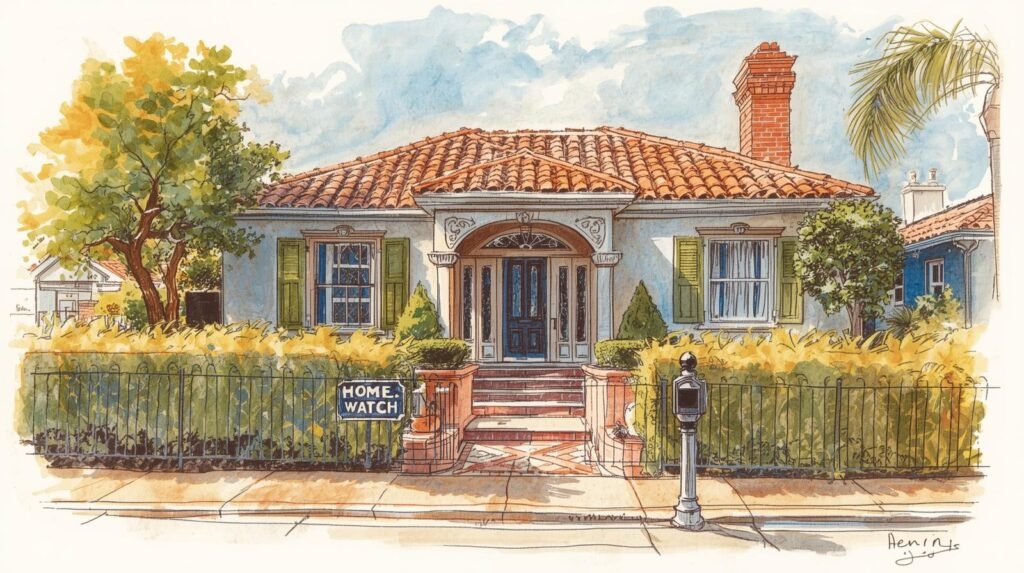
You lock the doors, close the blinds, and head north for the summer. The house is completely secure, sitting quietly until your return in the fall. Unfortunately, the local weather does not take a vacation just because you do.
When a property sits vacant during a long summer, it faces a relentless assault from the outside environment. High temperatures and thick moisture constantly press against windows, doors, and the roof. If a minor issue compromises your air conditioning or plumbing, that trapped air becomes a catalyst for disaster.
Understanding exactly what happens to an unmonitored home can save you from a shocking discovery months later. This post breaks down how the local climate interacts with vacant properties, highlighting the specific risks to your walls, floors, and air quality. You will also learn the practical steps you can take to protect your Florida investment while you are miles away.
The Silent Threat: Why Florida’s Climate is Tough on Empty Homes
Florida is famous for its beautiful winters, but the summer months bring intense heat and relentless moisture. An occupied home constantly cycles conditioned air as people open doors, run fans, and adjust the thermostat. A vacant home lacks this airflow.
When the air becomes stagnant, the indoor environment grows highly sensitive to outdoor changes. A brief power outage that resets your thermostat can instantly trap thick, heavy air inside your living room. Over the course of several weeks, a home without proper climate control essentially turns into an oven. This extreme environment slowly degrades building materials, creating a cascade of expensive maintenance problems.
Mold and Mildew: How Humidity Turns a House into a Science Project
High humidity is the number one enemy of a vacant property. Mold spores exist naturally in the air, but they need moisture and warmth to bloom. If your indoor humidity rises above 60 percent, your home provides the perfect breeding ground.
Once mold takes hold, it spreads rapidly across drywall, fabric furniture, and carpets. You might return to a property that smells incredibly musty, only to find dark spots growing inside your closets or along the baseboards. Cleaning extensive mold requires professional remediation, which forces you to rip out flooring and replace expensive furniture.
Warping and Cracking: The Impact of Heat on Wood and Drywall
Extreme heat also takes a physical toll on the structure of your house. Hardwood floors, wooden cabinets, and door frames expand and contract as temperatures fluctuate. Without a stable indoor climate, this constant movement causes wood to warp, bow, or crack.
Drywall and paint are similarly vulnerable. As the house heats up, the moisture trapped inside the walls expands. This expansion leads to peeling paint, cracking plaster, and popping drywall nails. The longer the house sits in high temperatures, the more severe the structural stress becomes.
Beyond the Weather: Pests and Plumbing Issues in Vacant Properties
The climate is not the only issue. When a house is silent, pests often view it as an open invitation. Small gaps around windows or under doors provide easy entry for insects and rodents seeking shelter from the intense sun or heavy summer rains.
Plumbing systems also suffer from neglect. Water left sitting in pipes and toilet bowls can evaporate, allowing sewer gases to enter the home. Furthermore, a slow drip under a kitchen sink can pool on the floor for weeks. In an occupied house, you would notice a leak immediately. In a vacant house, that same leak destroys the cabinetry and feeds a massive mold outbreak.
Proactive Solutions: The Essential Snowbird Departure Checklist
Preventing climate damage starts the week before you leave. Preparing your home properly minimizes the risk of sudden environmental shifts. Before heading out of town, follow a strict departure routine:
- Set the AC properly: Leave your thermostat set between 78 and 80 degrees. This keeps the house cool enough to prevent damage while running frequently enough to pull moisture out of the air. Replace the filter before you leave.
- Manage the plumbing: Turn off the main water supply if you plan to be gone for months. Flush the toilets and run water briefly in all the sinks to ensure the traps are full.
- Clear the kitchen: Remove all perishable food, wipe down surfaces, and take out the trash so you do not attract pests.
- Secure the exterior: Bring in patio furniture and loose items that could become projectiles during a sudden storm.
The Importance of Monitoring: Why Weekly Check-ins Save Thousands
Even with a perfect departure routine, unpredictable events happen. A lightning strike might knock out your air conditioner. A strong storm might damage your roof, allowing rain into the attic.
This is why ongoing monitoring is a non-negotiable part of owning a seasonal property. Having someone physically walk through your home prevents small issues from becoming complete disasters. A professional snowbird home watch service in Venice, Florida, will spot a broken AC unit within days, allowing you to dispatch a repair technician before mold ever has a chance to grow. They can run the water, flush the toilets, and verify that the indoor humidity remains at a safe level.
Securing Your Investment While You Are Away
Owning a piece of paradise should bring you joy, not constant anxiety. Leaving your home empty in a tough climate carries risks, but those risks are entirely manageable with the right strategy. By preparing your property and establishing a reliable monitoring routine, you ensure your house stays in perfect condition all summer long.
If you need someone to keep a close eye on your property, Venice Neighbor Services offers a dedicated Peace of Mind Home Watch Plan. For just $49 a month, you get priority scheduling for home watch visits, discounted rates on checks, and an unlisted video walkthrough of your property after every visit. Contact Venice Neighbor Services today to secure your seasonal home and download your free Home Watch Readiness Checklist.


