
Anyone who shares their life with an animal knows the familiar signs of pre-appointment panic. The moment the carrier comes out of the closet, your cat mysteriously vanishes under the guest bed. Your dog, usually thrilled at the jingle of car keys, suddenly anchors their paws to the floorboards. Medical appointments are notoriously difficult for our furry companions, often triggering intense fear and resistance.
However, minimizing this anxiety is about much more than just convenience. Low-stress veterinary care plays a crucial role in your pet’s long-term health. When animals experience high levels of panic, their heart rates spike, and their blood work can actually show altered results, making it harder for veterinarians to get an accurate picture of their well-being. Furthermore, a traumatic experience ensures that the next appointment will be even more difficult to manage.
Fortunately, you have the power to change this narrative. By taking a proactive approach, you can transform a terrifying ordeal into a manageable, routine outing. From simple at-home preparations to hiring professional pet transportation services in Venice, Florida, here are the most effective strategies to keep your furry best friend calm, comfortable, and healthy.
Preparing at Home: Setting the Stage for Success
The anxiety surrounding a medical appointment usually begins long before you pull into the clinic parking lot. Animals are incredibly perceptive, picking up on subtle changes in your routine and environment. To counteract this, preparation needs to start days, if not weeks, in advance.
Your first step is basic carrier acclimation. If a travel crate only appears right before a terrifying car ride, your pet will naturally view it as a threat. Instead, leave the carrier out in the living room with the door propped open. Place their favorite blankets inside, feed them meals near the entrance, and randomly hide high-value treats inside for them to discover. Over time, the crate transitions from a trap into a safe, familiar resting space.
Additionally, consider utilizing calming pheromones. Synthetic pheromone sprays and collars mimic the natural soothing scents produced by nursing mother animals. Spraying a towel with these pheromones and placing it inside the carrier about fifteen minutes before departure can significantly lower your pet’s baseline anxiety.
Finally, do not underestimate the power of pre-visit exercise. A brisk walk for your dog or a vigorous play session with a feather wand for your cat helps burn off excess nervous energy. A tired animal is generally a much calmer animal, making them far more cooperative when it is time to load up and head out.
Choosing the Right Partner for the Journey
Sometimes, the stress of transporting a nervous animal is simply too much for a busy homeowner to handle alone. Managing a heavy carrier, driving safely, and trying to soothe a crying pet simultaneously is a recipe for an anxious ride. This is where professional help steps in.
Utilizing a professional pet transportation service provides a calm, dedicated environment for the ride. For residents in the Venice area, Venice Neighbor Services offers safe, reliable, and caring transportation specifically tailored for pets. Instead of stressing over traffic while your dog paces in the backseat, you can rely on a trusted local professional to handle the logistics. This allows your pet to travel in a controlled, peaceful environment, arriving at the clinic relaxed and ready for their checkup.
On the Road: Keeping the Drive Calm
If you are handling the driving yourself, the environment inside your vehicle matters immensely. The goal is to make the transition from home to the clinic as seamless as possible.
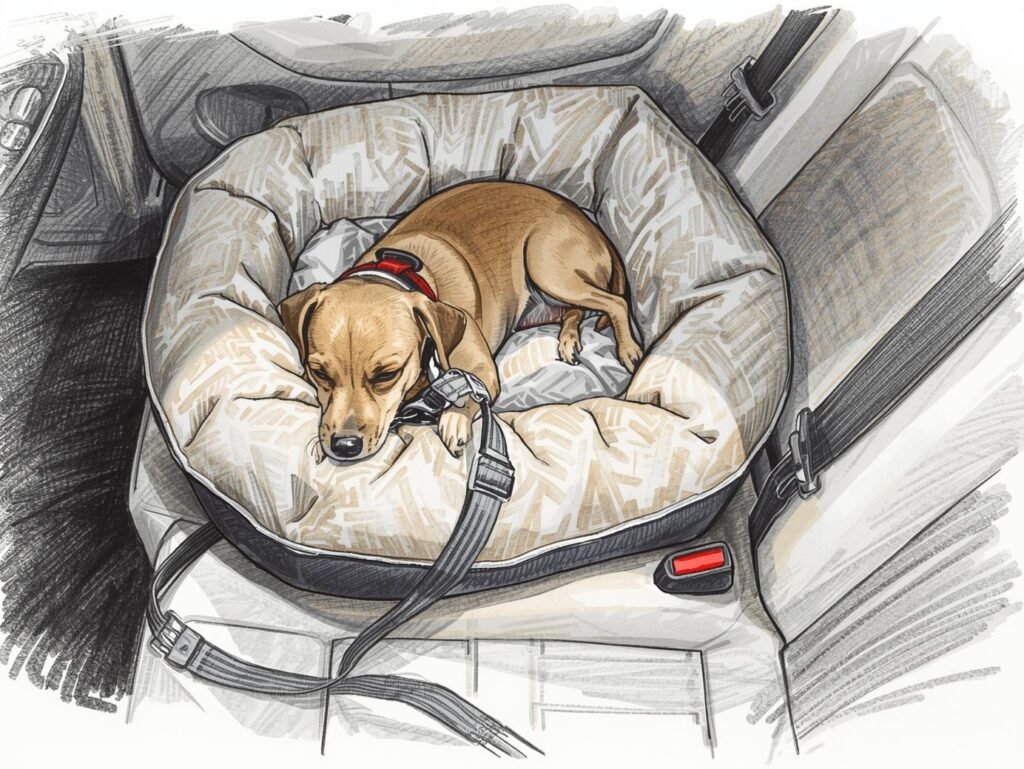
Start by ensuring your pet is safely secured. Free-roaming animals are a distraction to the driver and are at severe risk of injury if you need to brake suddenly. Use a crash-tested harness attached to a seatbelt for dogs, and ensure cat carriers are buckled securely into the back seat so they do not slide around during turns.
Temperature control is also vital, especially in the Florida heat. Make sure the air conditioning is running and reaching the back seat before you place your pet inside the car. Keep the radio volume low, opting for classical music or talk radio, and drive as smoothly as possible, avoiding sharp turns and sudden stops.
At the Clinic: Navigating the Waiting Room
The clinic lobby is often the most overwhelming part of the entire experience. Barking dogs, unfamiliar scents, and slippery floors create a sensory overload for a nervous animal.
Whenever possible, bypass the waiting room entirely. Call the front desk when you arrive in the parking lot and ask if you can wait in your climate-controlled car until the examination room is ready. If you must wait inside, place a lightweight towel over your cat or small dog’s carrier to block their visual access to other animals.
Once inside the exam room, use high-value treats to create positive associations. Bring something your pet rarely gets but absolutely loves, like small pieces of plain boiled chicken or a squeeze tube of peanut butter.
Do not hesitate to advocate for “fear-free” handling techniques. Talk to your veterinary team about taking things slowly, using non-slip mats on the metal exam tables, and keeping physical restraint to a minimum.
Specialized Support for Senior Pet Owners
Ensuring pets receive proper medical care can be physically and emotionally demanding, particularly for elderly owners. Lifting a heavy crate, navigating busy parking lots, and retaining complex medical instructions from the veterinarian can quickly become exhausting.
Venice Neighbor Services provides specialized support for seniors and individuals with mobility challenges throughout Venice, Nokomis, Englewood, and North Port. Beyond simply driving the pet to the clinic, their reliable team assists with the heavy lifting, helps manage the check-in paperwork, and waits patiently during the appointment.
They also offer crucial follow-up assistance, such as picking up necessary medications from the pharmacy and helping owners organize post-appointment care instructions. This comprehensive support drastically reduces the burden on older adults, ensuring their beloved companions get the medical attention they need without putting the owner’s safety or peace of mind at risk.
After the Visit: Returning to a Safe Haven
The appointment might be over, but your job is not quite done. When you arrive back home, give your pet the space they need to decompress. Open the carrier door and let them exit on their own terms. Some animals will immediately seek out a quiet spot under the couch to sleep off the adrenaline, while others might demand affection and play.
Monitor your pet closely over the next 24 hours, especially if they received vaccinations or sedation. Offer them a quiet, comfortable environment, fresh water, and a highly desirable meal to reward them for a job well done.
Building a Positive Routine for the Future
Transforming veterinary visits from a dreaded chore into a peaceful routine requires patience, preparation, and consistency. By implementing carrier training, managing the travel environment, and advocating for gentle handling at the clinic, you safeguard both the physical and emotional well-being of your animal.
If managing these visits is becoming overwhelming for you or an elderly family member, you do not have to handle it alone. Reach out to Venice Neighbor Services at (941) 504-0970 or visit veniceneighborservices.com to learn how their pet transportation and doctor visit escort services can bring ease and reliability back to your pet’s medical care.


